Staff T-Shirts: Printing Methods and How to Choose the Best Option
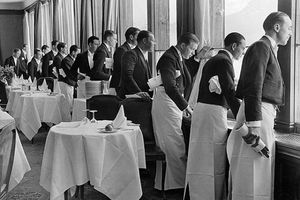
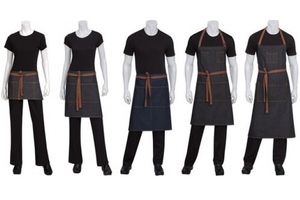
In the hospitality business, the first impression matters more than words. When a guest enters a café, restaurant, or bar, they unconsciously pay attention to every detail — from interior design and music to how the staff is dressed. Uniforms not only create a sense of order and professionalism but also emphasize the brand identity of the establishment.
One of the most versatile and practical clothing options for employees are T-shirts and polo shirts with a printed or embroidered logo. They are comfortable to wear, affordable, easy to wash, and — most importantly — they help create a strong connection between the guest and the brand.
But how exactly can a logo or design be applied to a T-shirt? Let’s explore the most popular printing methods, their advantages, and how to choose the right one for your restaurant or café.
Why staff T-shirts are essential in restaurants and cafés
-
Professional look and brand recognition
T-shirts with a logo instantly transform employees into brand representatives. Guests can easily recognize who works at the establishment, which improves service efficiency and trust. -
Fast production times
Branded T-shirts can be produced in just a few days, which is especially important for new openings, seasonal staff hiring, or rebranding. -
Variety of models
Owners can choose between classic T-shirts or polo shirts that look more formal and elegant. Both options are available in a wide range of fabrics and colors. -
Affordable solution
Compared to other types of uniforms, T-shirts are cost-effective and easy to replace if needed.
Printing and branding methods
1. Screen Printing (Silk Screen)
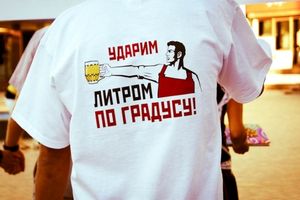
This is one of the oldest and most popular methods of applying images to textiles. Ink is pressed through a special mesh screen directly onto the fabric.
-
Advantages: long-lasting prints, vivid colors, suitable for large quantities.
-
Disadvantages: not the best option for small orders or multi-colored designs with gradients.
2. Heat Transfer (Thermal Printing)
The design is first printed on a special transfer paper and then applied to the fabric using heat and pressure.
-
Advantages: good for detailed images, suitable for small batches, affordable.
-
Disadvantages: the print may crack over time if washed at high temperatures.

3. Embroidery
Logos are stitched directly onto the fabric using threads. This method is often chosen for polo shirts and high-quality uniforms.
-
Advantages: premium look, durability, resistance to washing.
-
Disadvantages: higher cost compared to printing, limited in terms of design complexity.

4. Direct-to-Film (DTF) Printing
This modern technology allows printing directly onto film with special inkjet printers.
-
Advantages: photorealistic quality, works for small runs, no limits on the number of colors.
-
Disadvantages: not always as durable as screen printing, works best on cotton.

5. Sublimation Printing
A method where ink turns into gas under high temperature and bonds with polyester fibers.
-
Advantages: the design becomes part of the fabric, does not fade or crack, ideal for all-over prints.
-
Disadvantages: works only with polyester or fabrics with high synthetic content.
How to choose the right method
When selecting the printing technique, restaurant or café owners should consider:
-
Purpose and frequency of use – For everyday wear, durability is key. For promotions or events, bright but short-term solutions may be suitable.
-
Fabric type – Cotton works best with screen printing and DTF, while polyester is better for sublimation.
-
Budget – Embroidery is more expensive, while screen printing is cost-efficient for large batches.
-
Brand image – Polo shirts with embroidery may look more premium, while T-shirts with screen printing are casual and dynamic.
Real-life examples
-
A small coffee shop chooses screen-printed T-shirts with their logo to outfit 10 baristas quickly and inexpensively.
-
A fine-dining restaurant orders embroidered polo shirts for their waiters to create a refined and elegant appearance.
-
A cocktail bar decides to use DTF printing for seasonal uniforms with colorful graphics to highlight their creative brand identity.
A short historical note
Interestingly, T-shirts with printed logos began to gain popularity in the 1960s, when they became a tool for advertising and self-expression. Over time, they moved from fashion into the corporate world, where today they serve as a vital element of branding and marketing for restaurants, cafés, and bars.
Conclusion
Staff T-shirts with logos are more than just clothing — they are part of your brand’s language. Choosing the right printing method helps you balance between cost, durability, and the desired visual effect. Whether you run a small café or a large restaurant chain, branded T-shirts and polo shirts help your staff look professional and your guests feel welcome.
Call to Action
Looking to create premium staff T-shirts for your restaurant or café?
👉 Contact FideL today to explore models, fabrics, and branding options.